Transportation costs can take up a significant portion of a person’s budget, especially in a developing country like the Philippines. Getting around in the Philippines can be a challenge, but it doesn’t have to be expensive. Knowing what types of transportation are available in the Philippines, and familiarizing yourself with the factors that affect transportation
Transportation costs can take up a significant portion of a person’s budget, especially in a developing country like the Philippines. Getting around in the Philippines can be a challenge, but it doesn’t have to be expensive.
Knowing what types of transportation are available in the Philippines, and familiarizing yourself with the factors that affect transportation costs can help you make informed decisions about how to get from place to place. With tips for minimizing transportation expenses, you will equip you with the knowledge and strategies to navigate transportation costs in the country effectively.
This guide will provide an overview of transportation costs in the Philippines, explain the different types of transportation available, discuss factors affecting transportation costs, and provide tips for minimizing costs. With the help of this guide, you’ll be able to navigate the Philippines without breaking your budget.
Types of Transportation in the Philippines
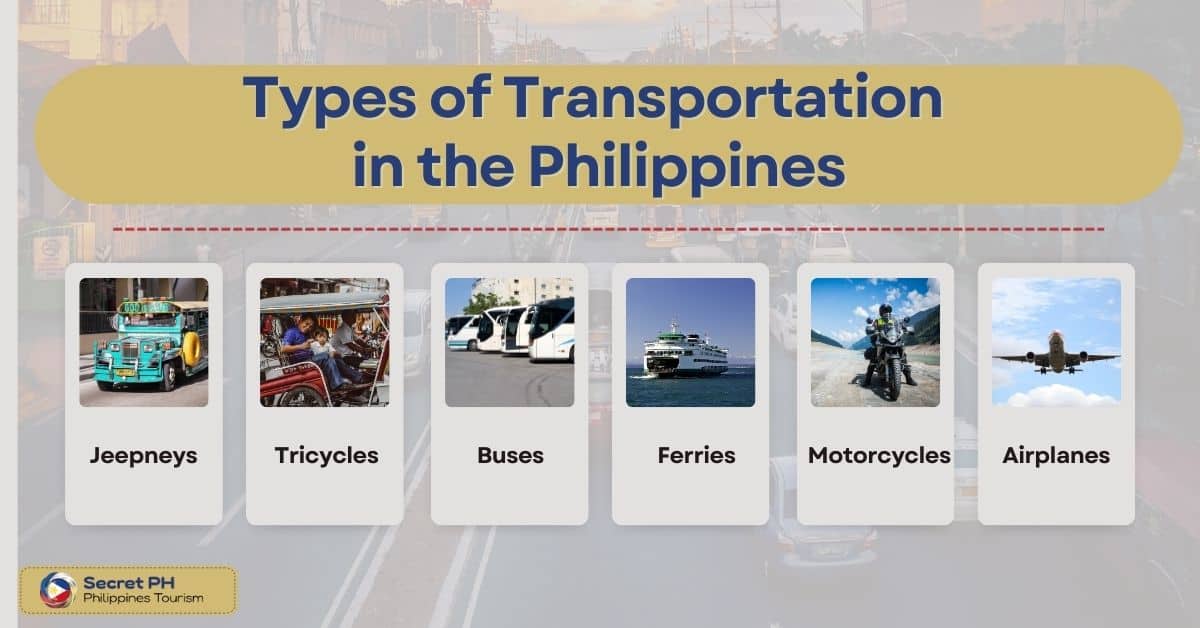
The Philippines is a country composed of over 7,000 islands, spread across a vast expanse of ocean. As such, transportation is a crucial aspect of daily life, connecting people and goods across great distances. From bustling cities to remote villages, Filipinos rely on an array of transportation modes to move around the archipelago. Below are some of the most common types of transportation in the Philippines.
Jeepneys
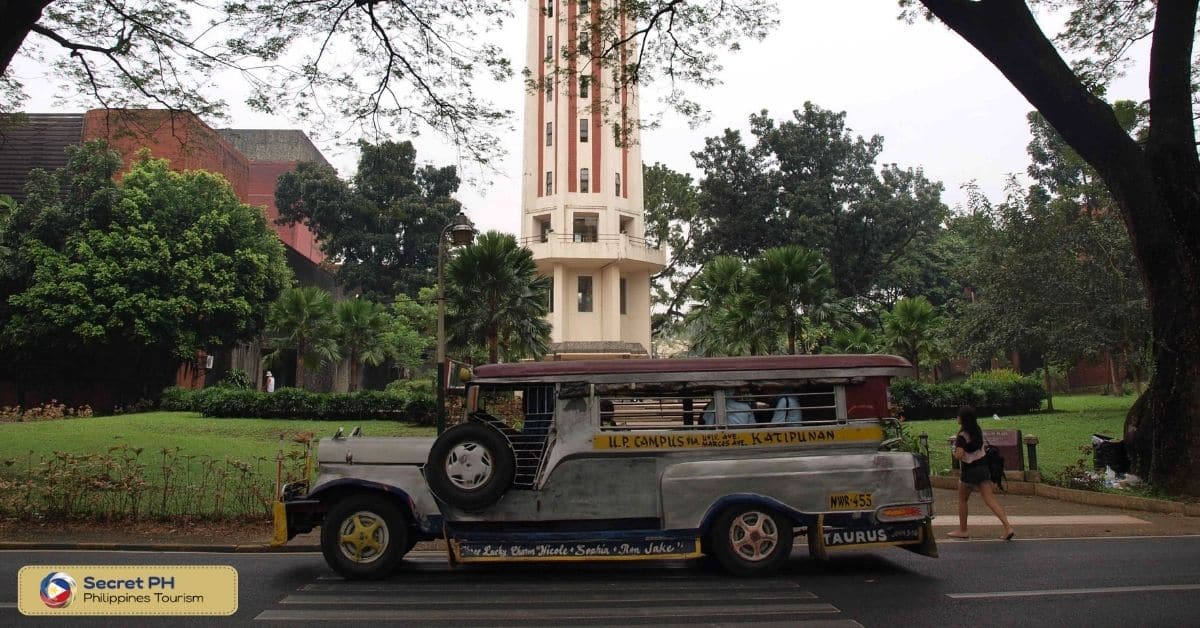
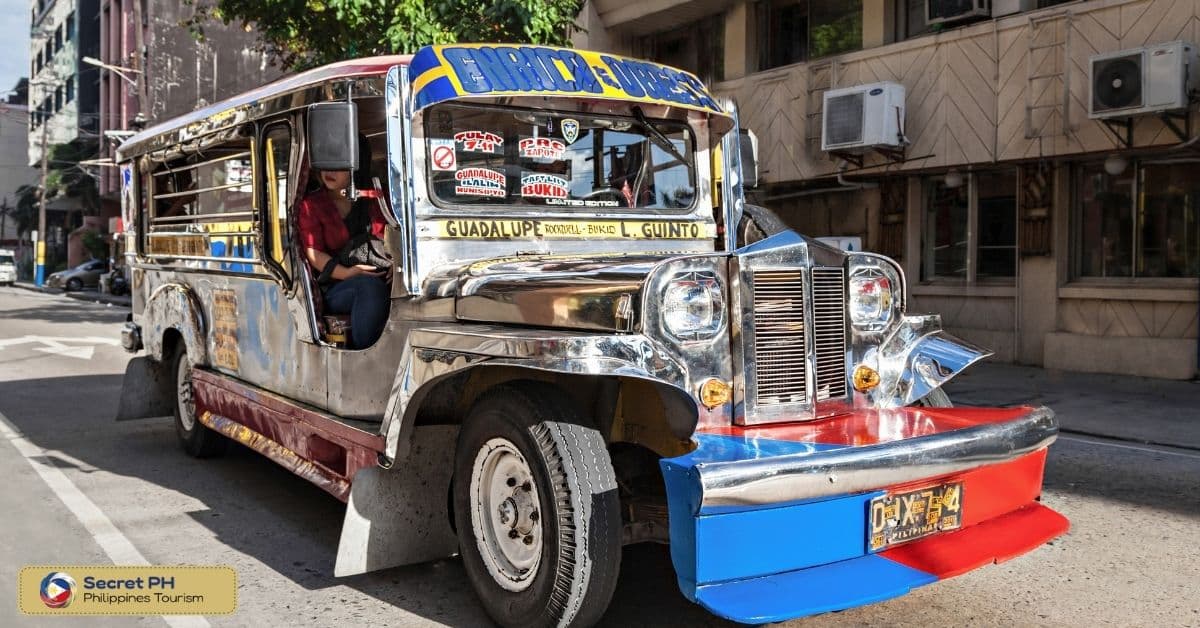
Jeepneys are an iconic symbol of Philippine culture and transportation. These brightly painted, retrofitted Jeep vehicles function like buses, running specific routes throughout cities and provinces. Jeepneys are typically overcrowded and can be uncomfortable, especially during peak hours. Still, they are a cheap and convenient way to get around, particularly in urban areas.
Tricycles
Another common mode of transportation in the Philippines is the tricycle. These three-wheeled vehicles are typical motorbikes with a sidecar attached to the side to carry passengers. In rural areas, tricycles are often used as taxis, while in cities, they function more like local buses, running fixed routes.
Buses
Buses are a more spacious option for travelers looking to cover longer distances. Several bus companies operate throughout the Philippines and offer a variety of routes, from short hops between towns to multi-day journeys across the country. Some buses even have air conditioning, making them a more comfortable option in the hot and humid Philippine climate.
Ferries
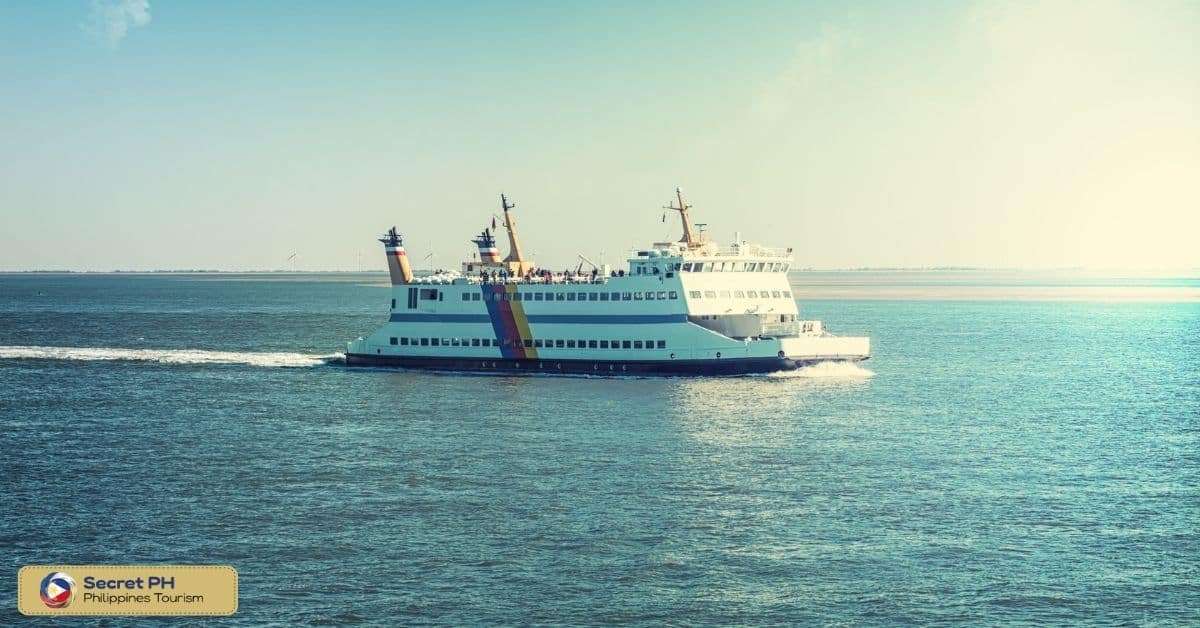
Given that the Philippines is an archipelago, it’s not surprising that ferries are a prevalent mode of transportation. Ferries connect the islands and offer a more scenic option for travel. There are several ferry companies operating throughout the country, and routes range from short trips across narrow waterways to multi-hour journeys between islands.
Motorcycles
In many rural areas of the Philippines, motorcycles are the primary mode of transportation. They can navigate the narrow, winding roads found in remote provinces and are more affordable than cars. However, motorcycle accidents are a significant concern in the Philippines due to unsafe driving practices and inadequate helmet use.
Airplanes
For long-distance travel, airplanes are the fastest and most efficient mode of transportation in the Philippines. The country has several airports, including Manila’s Ninoy Aquino International Airport, the country’s busiest airport. Many regional airlines operate in the Philippines, making it easy to reach even the most remote parts of the country.
Factors Affecting Transportation Costs in the Philippines
Transportation costs can greatly impact the economy of a country. In the Philippines, transportation costs have increased over the years, affecting businesses and individuals alike. There are several factors that contribute to the rise in transportation costs in the Philippines.
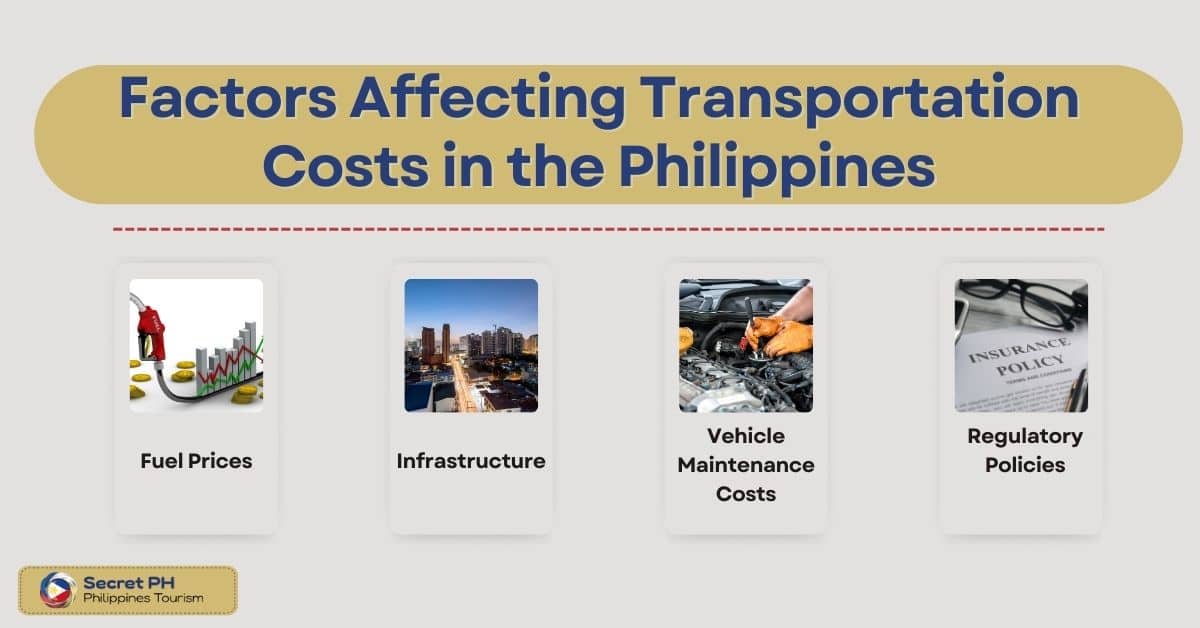
Fuel Prices
Fuel prices in the Philippines are heavily influenced by global oil prices. As a net importer of oil and refined petroleum products, the Philippines is vulnerable to fluctuations in the international oil market. When oil prices go up, fuel prices also increase, leading to higher transportation costs.
Infrastructure
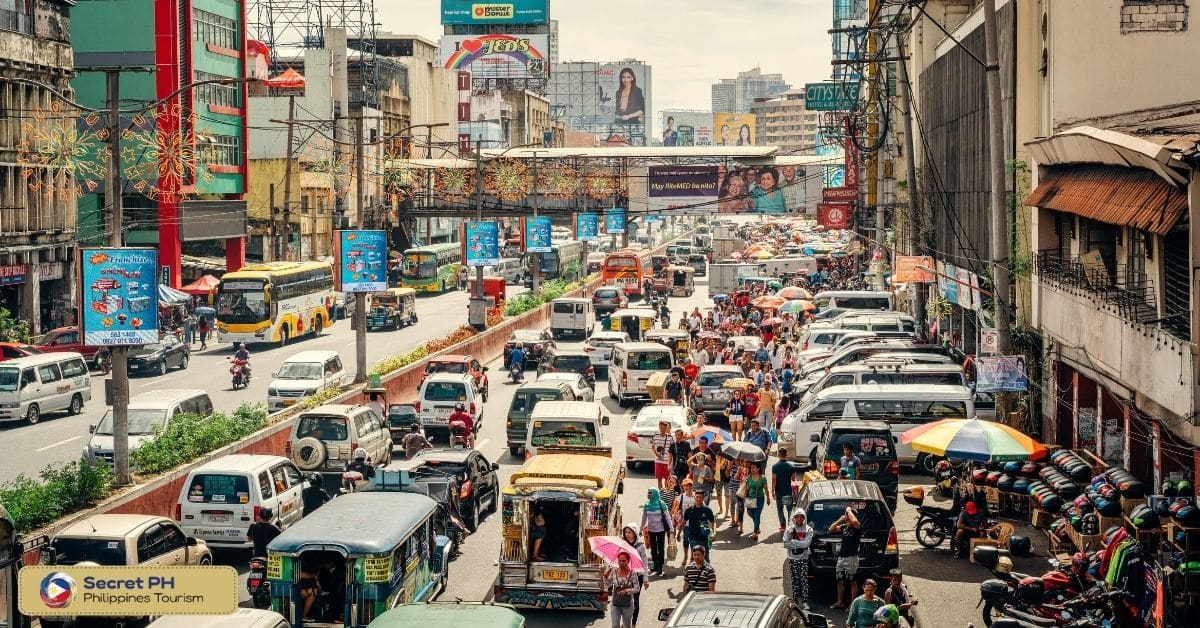
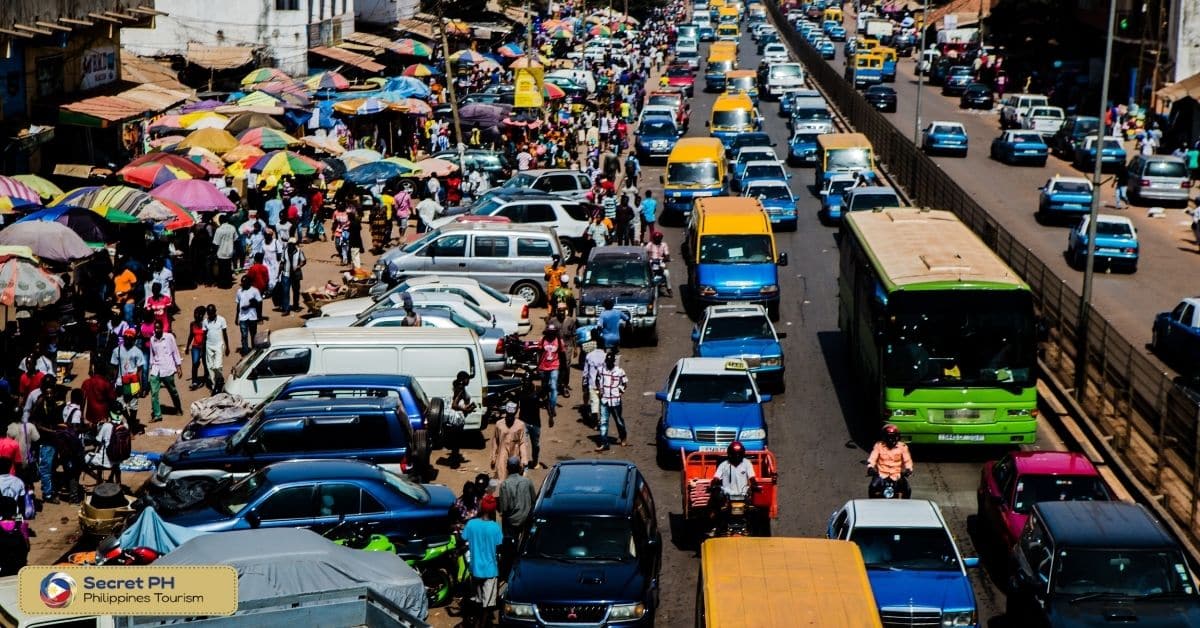
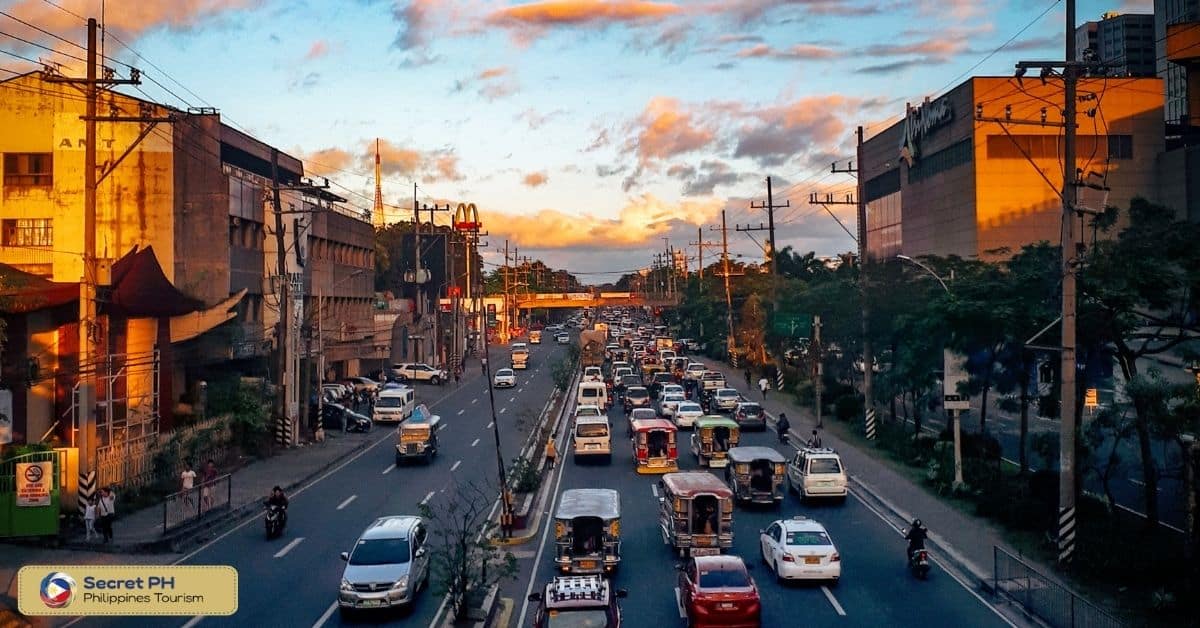
Transportation infrastructure in the Philippines is inadequate, with railways and roads in need of repairs and improvements. This results in longer travel times, increased fuel consumption, and higher transportation costs. Moreover, traffic congestion in major cities is a significant issue, amplifying the cost of transportation.
Vehicle Maintenance Costs
Vehicle maintenance costs are a considerable factor in determining transportation costs in the Philippines. Frequent repairs and maintenance of public transportation vehicles lead to higher expenses that are passed on to commuters. These costs can affect the pricing strategy of public transportation providers.
Regulatory Policies
Regulatory policies concerning transportation such as taxes on fuel, vehicle registration fees, and insurance costs can contribute to high transportation costs in the Philippines. These policies can have a significant impact on the decisions of commuters and businesses, affecting frequency and mode of transportation usage.
Public Transportation Costs in Different Regions of the Philippines
Transportation costs can vary significantly across different regions of the Philippines. Factors such as distance, availability of transportation options, and local economic conditions can all play a role in determining transportation costs. Here is a comparison of transportation costs in different regions of the Philippines:
Metro Manila
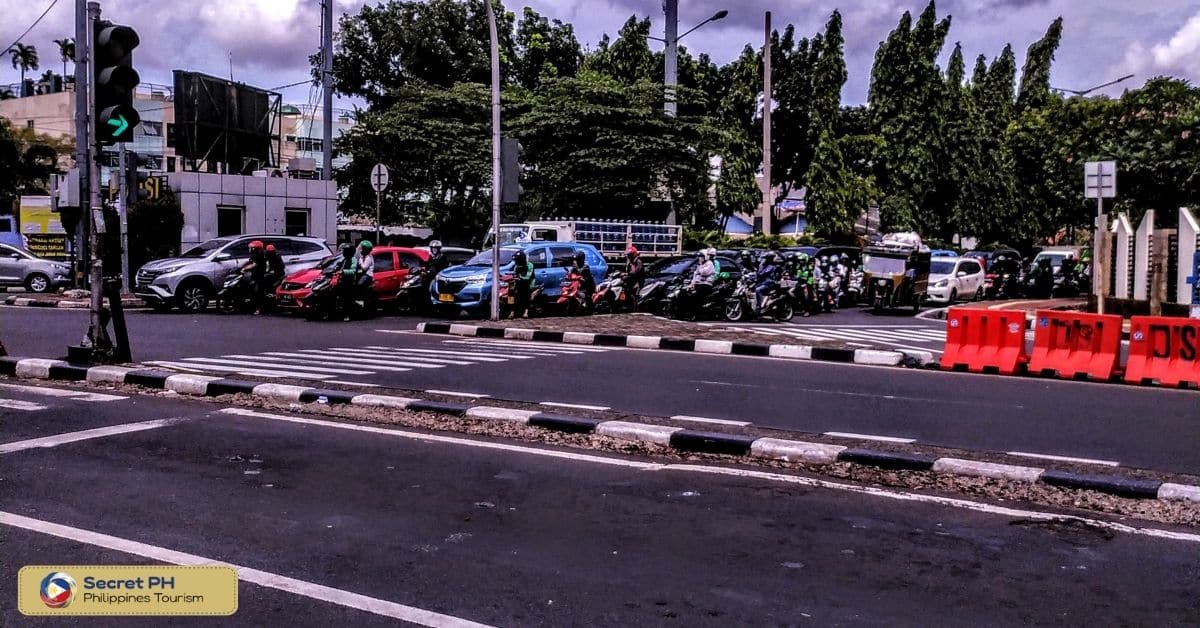
Metro Manila, the capital region, has the most developed public transportation system in the country. Commuters in Metro Manila can expect to pay an average of 50-100 PHP for a single journey, depending on the mode of transportation and the distance traveled.
jeepney: 7-25 PHP
Bus (City): 8-30 PHP
Train (Metro Manila): 15-30 PHP
Taxi/Grab: 40-100+ PHP
Tricycle: 10-50 PHP
Luzon (Provincial)
In the provinces of Luzon, transportation costs can vary widely depending on the availability of transportation options and the distance traveled. Provincial buses are the most common mode of transportation in these regions, with prices ranging from 100 to 500 PHP depending on the distance traveled.
Provincial Bus: 100-500 PHP
Jeepney: 7-25 PHP
Tricycle: 10-50 PHP
Taxi/Grab: 40-100+ PHP
Visayas (Provincial)
Like in Luzon, transportation costs in the provinces of Visayas can vary significantly. Provincial buses are also the most common mode of transportation, with prices ranging from 100 to 500 PHP depending on the distance traveled.
Provincial Bus: 100-500 PHP
Jeepney: 7-25 PHP
Tricycle: 10-50 PHP
Taxi/Grab: 40-100+ PHP
Mindanao (Provincial)
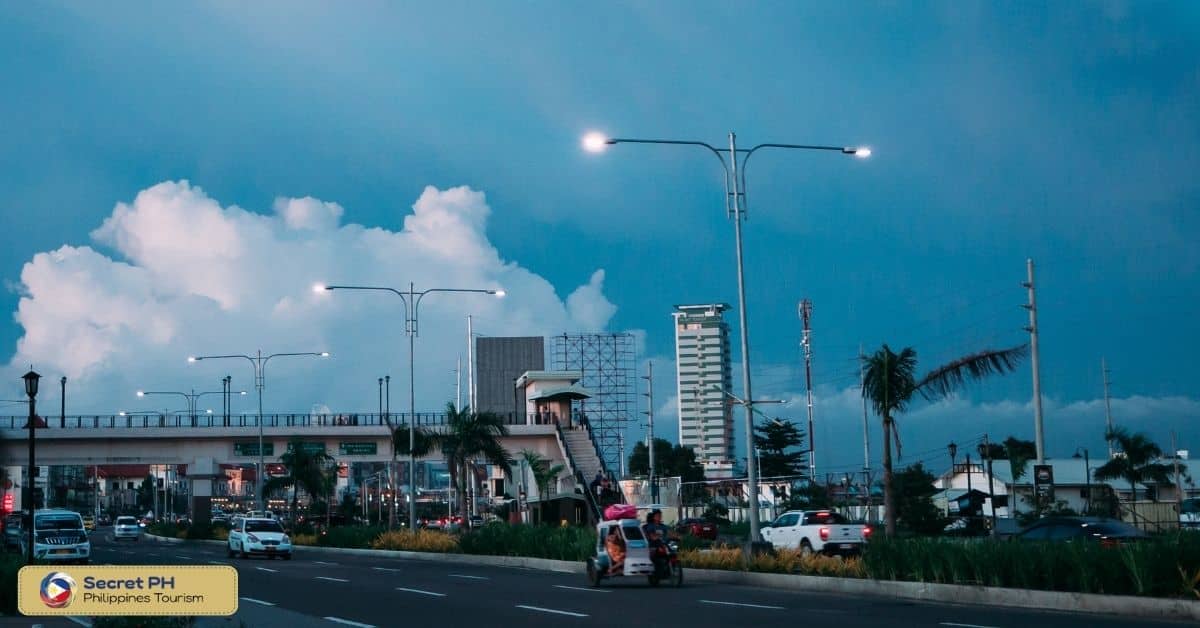
Mindanao is the second-largest island in the Philippines, and transportation costs in this region can also vary depending on the distance traveled and the availability of transportation options. Provincial buses are the most common mode of transportation, with prices ranging from 100 to 500 PHP depending on the distance traveled.
Provincial Bus: 100-500 PHP
Jeepney: 7-25 PHP
Tricycle: 10-50 PHP
Taxi/Grab: 40-100+ PHP
Airplanes and Ferries
For inter-island travel, airplanes and ferries are the most common modes of transportation. The cost of a plane ticket or ferry ride can vary depending on the distance traveled and the type of service selected.
Tips for Minimizing Transportation Costs in the Philippines
Transportation costs can be a significant expense in the Philippines. With the right strategies and tips, however, you can minimize your transportation costs without compromising on convenience or comfort. This section will provide an overview of tips for minimizing transport expenses in the Philippines.
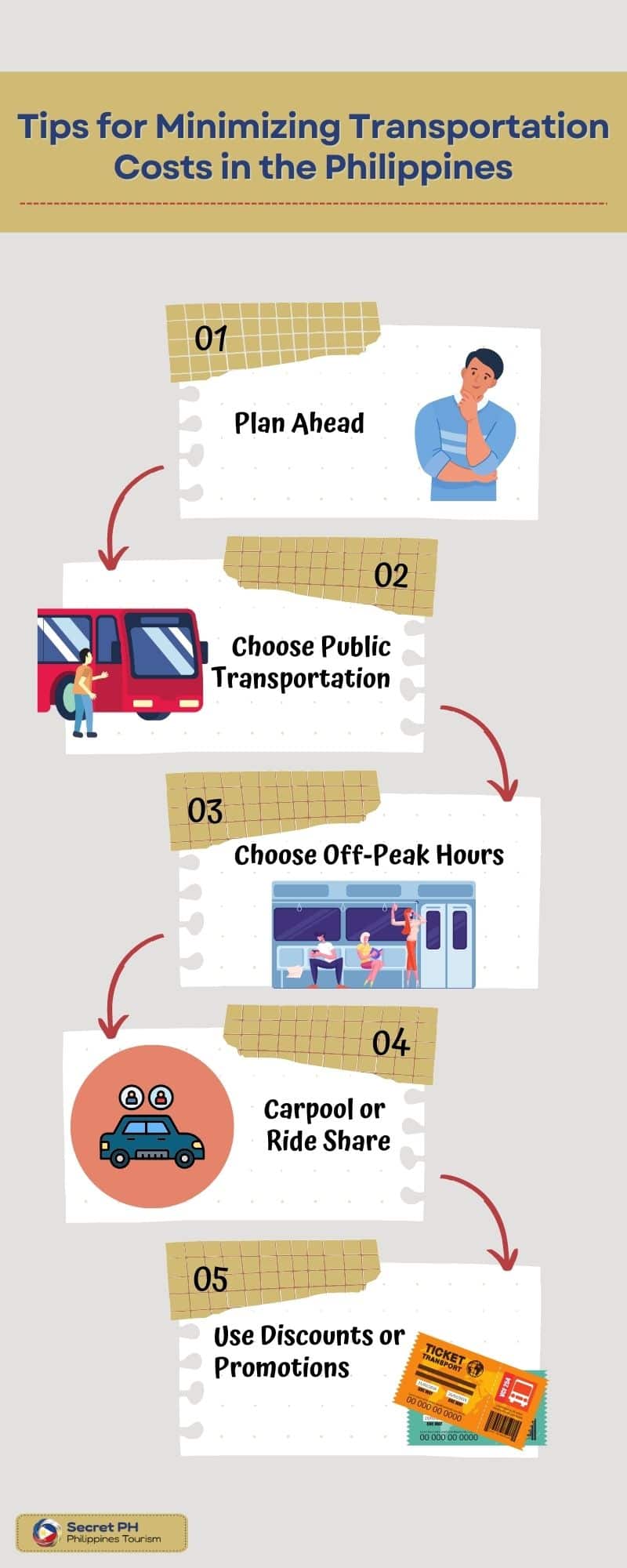
1. Plan Ahead– Planning ahead is key when it comes to minimizing transportation costs. Take time to research the different options for getting from point A to point B, including public and private transport. Look into available routes, schedules, and fares as well as any discounts that may be available.
2. Choose Public Transportation- Public transportation is typically much cheaper than private transport. If you need to get from point A to point B, consider taking a jeepney, tricycle, bus, or ferry instead of hiring a taxi or renting a car.
3. Choose Off-Peak Hours– If you must take private transportation, try to opt for off-peak hours. Rates tend to be much lower during times when there is less demand for services. By scheduling your trips around peak hours, you can save a significant amount on transportation costs.
4. Carpool or Ride Share– If you’re traveling with a group of friends or family, consider carpooling. Ride-sharing services like Grab or Angkas can also be an option if you are looking to share a ride with someone who is going in the same direction.
5. Use Discounts or Promotions-Different transport providers offer discounts and promotions from time to time, so make sure to keep an eye out for these deals. Discounts can be especially helpful if you need to travel frequently on a certain route. Taking advantage of available offers can help you save on transportation costs.
In conclusion
Transportation costs can be a significant expense in the Philippines. Knowing the types of transportation available and understanding the factors that affect transport costs can help you make informed decisions about how to get from place to place while keeping your budget in check.
By employing strategies like planning ahead, choosing public transport or off-peak hours, carpooling or ride sharing, and taking advantage of discounts and promotions, you can significantly reduce your transportation costs in the Philippines. With the help of this comprehensive guide to transportation costs in the Philippines, you’ll be well-equipped to get around without breaking your budget.