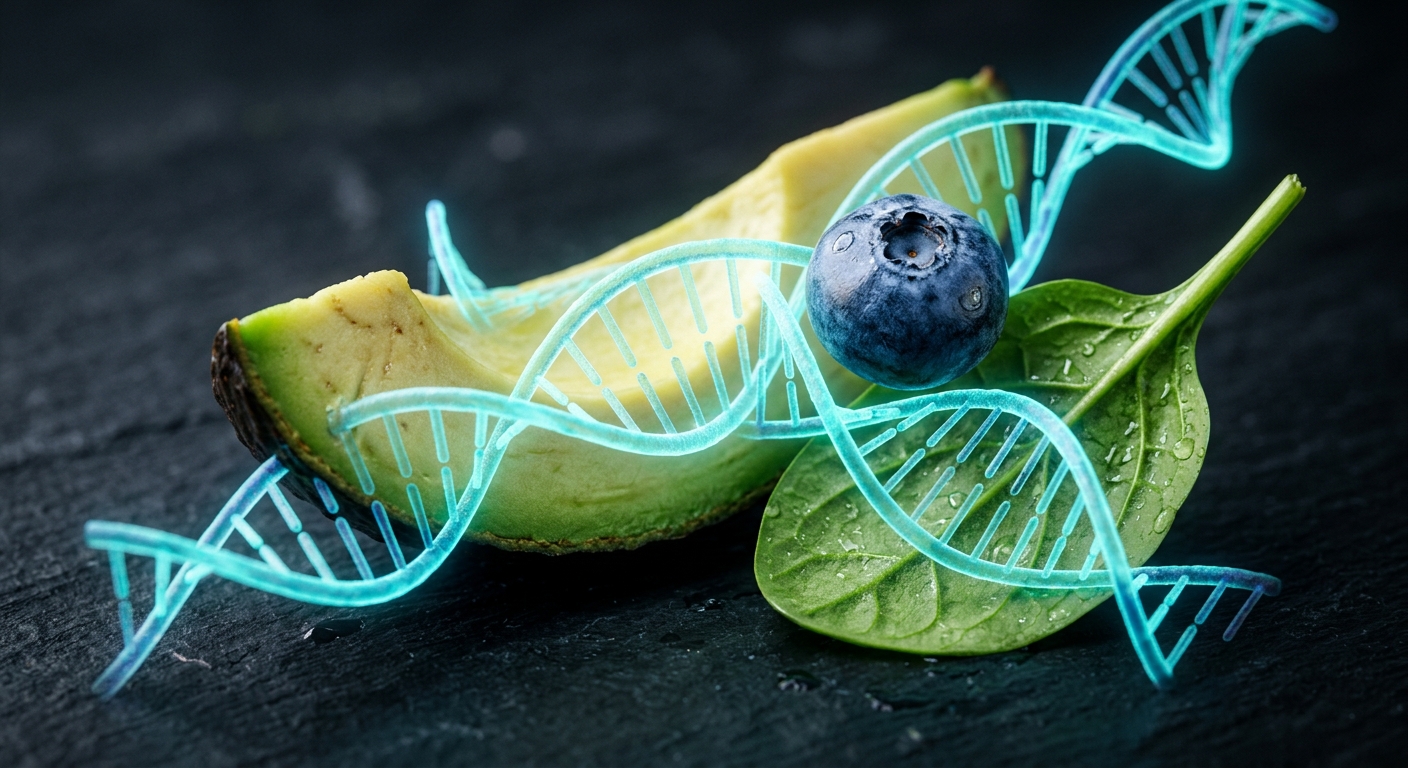
The world of personalized nutrition has completely transformed over the past few years, moving away from generic advice to highly customized meal plans based on
The world of personalized nutrition has completely transformed over the past few years, moving away from generic advice to highly customized meal plans based on individual biology. People are increasingly turning to advanced genetic tests to figure out exactly which foods make them feel amazing and which ones hold back their fitness goals. Instead of guessing what works, anyone can now spit in a tube and uncover the specific macronutrient ratios their body actually prefers. It is a fascinating era for wellness, blending cutting-edge science with everyday lifestyle habits to create truly sustainable health routines.
The Fascinating Science Behind DNA-Based Nutrition
To understand how these modern kits operate, one must first look at the incredible field of nutrigenomics, which studies the relationship between human genes and nutrition. Scientists have discovered that specific genetic markers influence everything from how quickly a person metabolizes caffeine to how their body processes saturated fats and carbohydrates. By analyzing these tiny variations in the DNA sequence, laboratories can generate comprehensive reports that outline metabolic tendencies with surprising accuracy. This means that an individual who constantly struggles with a low-carb diet might actually have a genetic predisposition that makes them thrive on healthy starches instead.

There is no denying that the era of one-size-fits-all dieting is rapidly fading as more folks realize that their friends' successful meal plans might completely fail them. Once a biological profile is mapped out, the individual receives actionable insights that take the frustrating guesswork out of grocery shopping and meal preparation. Nutrigenomic profiling highlights exactly where potential vitamin deficiencies lie, allowing people to proactively adjust their intake rather than waiting for symptoms of fatigue to appear. Having this profound level of personal biological data empowers everyday consumers to make highly educated choices about their long-term health journeys.
While the science sounds like something straight out of a futuristic sci-fi movie, the actual process of getting tested is incredibly straightforward and completely painless. Users simply order a kit online, swab the inside of their cheek from the comfort of their living room, and mail the sample back to a certified laboratory. Within a few weeks, a highly detailed digital dashboard unlocks a treasure trove of information regarding their unique metabolic pathways, food sensitivities, and ideal workout styles. It is genuinely exciting to see such sophisticated medical technology become so accessible to anyone looking to optimize their daily routine.
Exploring the Most Popular Types of Dietary DNA Kits Right Now
Stepping into the current market reveals a massive variety of testing options, each catering to slightly different health goals and personal wellness philosophies. Some companies focus entirely on weight management, providing strict guidelines on whether a person should adopt a Mediterranean, ketogenic, or plant-based eating style based on their genetic makeup. Other brands take a much broader approach, offering holistic wellness profiles that combine dietary advice with insights on sleep patterns, stress management, and athletic recovery. Consumers truly have the luxury of choosing a test that perfectly aligns with whatever specific health metric they desperately want to improve.
Here are some of the most common traits and markers evaluated by today's leading dietary DNA tests:
- Carbohydrate and fat metabolism rates, indicating how efficiently the body uses different fuel sources.
- Genetic predispositions to certain food intolerances, such as lactose sensitivity or gluten processing issues.
- Micronutrient absorption tendencies, highlighting potential risks for vitamin B12, vitamin D, or iron deficiencies.
- Appetite control and emotional eating triggers, driven by specific genes linked to satiety and cravings.
One particularly interesting aspect of these modern tests is their ability to uncover deep-seated reasons behind why some individuals constantly feel hungry despite eating large meals. Researchers have pinpointed specific genes, like the FTO gene, which play a massive role in regulating appetite and dictating how the brain perceives fullness. When a person discovers they possess a genetic variant that makes them naturally prone to snacking, they can consciously implement behavioral strategies to counteract those hardwired urges. This type of psychological relief is often just as valuable as the nutritional advice, as it removes the heavy burden of guilt associated with past diet failures.
Moreover, the sports nutrition sector has heavily embraced genetic testing to help casual gym-goers and elite athletes alike fine-tune their pre-workout and post-workout fuel. A quick saliva swab can reveal whether an individual's muscles are better suited for explosive powerlifting sessions or long-distance endurance running, directly impacting their ideal carbohydrate intake. Tailoring macros to fit these specific athletic profiles ensures that the body recovers faster, builds muscle more efficiently, and avoids the frustrating plateaus that plague so many fitness enthusiasts. It is truly remarkable how a single test can simultaneously revamp a dinner plate and a gym routine with such impressive precision.
Navigating the Financial Costs and Overall Accessibility
As the technology behind DNA sequencing has rapidly improved over the last decade, the retail prices for these specialized diet kits have dropped significantly. What used to cost thousands of dollars and required a doctor's visit can now be purchased online for a fraction of that price during a holiday sale. However, consumers should still be prepared to view this as a premium wellness investment, as the most comprehensive tests bundled with ongoing nutritional coaching can still be somewhat pricey. Striking the right balance between a budget-friendly option and a medically reliable laboratory is crucial for getting genuinely useful information without overspending.
The following table outlines a general comparison of different DNA diet testing tiers available in the modern consumer market.
| Testing Tier | Average Price Range | Typical Features Included | Turnaround Time |
|---|---|---|---|
| Basic Nutrition | $80 - $120 | Macronutrient breakdown, basic vitamin needs | 3-4 weeks |
| Comprehensive Health | $150 - $250 | Sensitivities, metabolism, workout traits | 4-6 weeks |
| Premium & Coaching | $300 - $500+ | Full genome traits, 1-on-1 dietitian calls | 2-4 weeks |
Understanding these price brackets helps consumers set realistic expectations regarding the depth of genetic analysis they will receive for their money.
Beyond the initial purchase price, shoppers must also pay close attention to potential hidden fees regarding data storage, premium app subscriptions, and specialized supplement up-sells. Some brands offer the physical testing kit at a drastically reduced cost, only to lock the most valuable dietary insights behind a mandatory monthly paywall. Reading the fine print ensures that buyers maintain full ownership of their biological data without being forced into expensive, long-term software commitments just to view their meal plans. A transparent pricing model is usually a strong indicator that the genetic testing company genuinely prioritizes customer health over sneaky recurring profits.
Accessibility has also vastly improved from a geographical standpoint, with dozens of international shipping options allowing folks from all over the globe to participate in this trend. The digital nature of the results means there is absolutely no need to schedule in-person consultations to decipher the dense medical jargon. Modern interfaces instantly translate complex genetic markers into beautifully illustrated charts and simple grocery lists that a teenager could easily understand. This widespread availability has effectively democratized advanced nutritional science, giving everyday people the tools they need to bio-hack their diets from anywhere in the world.
Turning Scientific Data into Tangible Lifestyle Changes
Receiving a fifty-page report detailing every single genetic quirk can initially feel incredibly overwhelming for someone just looking to lose a few pounds. The key to successfully utilizing this information lies in taking baby steps rather than attempting to overhaul an entire lifestyle overnight based on a PDF document. Excellent resources and independent reviews, like those found on the בלוג הבריאות של JAGUAR, often emphasize the importance of prioritizing one or two major nutritional changes before tackling the minor details. By focusing on the most critical genetic red flags first, individuals can experience significant improvements in their energy levels without feeling constantly stressed about restrictive eating.
Another fantastic strategy is to share the DNA results with a certified registered dietitian or a trusted healthcare professional who understands how to interpret raw clinical data. While the consumer-facing dashboards are getting better at explaining the results, nothing beats the nuanced perspective of a human expert who can factor in current bloodwork and medical history. These professionals easily spot conflicting information, ensuring that a genetic predisposition for high fat intake doesn't dangerously clash with an existing cholesterol problem. Collaborating with a nutrition expert ultimately transforms an interesting biological party trick into a safely structured, long-term dietary protocol.
To seamlessly integrate genetic insights into daily life, consider following these structured steps:
- Start by adjusting macronutrient ratios gradually, giving the digestive system plenty of time to adapt to new levels of fats, proteins, or carbs.
- Address potential micronutrient deficiencies by incorporating specific whole foods rather than immediately relying on expensive synthetic supplements.
- Monitor physical reactions in a daily food journal to see if the genetic predictions accurately align with actual energy levels and digestion.
- Revisit the DNA report every few months, as lifestyle shifts might make previously ignored data points suddenly relevant to new health goals.
Important to know
It is crucial to remember that genetics only tell a fraction of the story, as environmental factors, daily stress, and sleep quality play an equally massive role in overall wellness. Having a genetic advantage for processing carbohydrates does not give a person a free pass to consume endless amounts of highly processed sugars without facing metabolic consequences. Epigenetics, the study of how behaviors and environment turn certain genes on or off, proves that lifestyle choices can heavily influence biological destinies regardless of raw DNA. Treating the dietary report as a helpful compass rather than an unbreakable set of rules leads to a much healthier and happier relationship with food.
Are Genetic Tests for Diet Purposes Truly Worth the Investment?
When looking at the sheer volume of success stories popping up across the internet, it is easy to see why personalized genomic nutrition has captured the public's imagination. For individuals who have spent years bouncing between fad diets with zero lasting results, unlocking their biological blueprint often provides the missing puzzle piece they desperately needed. Finding out that their body simply does not process fats well can instantly explain decades of frustration on popular low-carb regimens, offering a profound sense of validation. While it is certainly not a magical cure for weight loss, the clarity provided by these kits is undeniably powerful for those ready to make serious changes.
Skeptics frequently point out that basic nutritional principles, like eating more vegetables and moving regularly, apply universally regardless of what a cheek swab reveals. However, this argument completely overlooks the immense psychological motivation that comes from following a highly customized, biologically tailored action plan. When people know that a specific dietary approach is scientifically mapped to their unique body, they naturally exhibit much higher levels of commitment and long-term adherence. Personalized nutrition bridges the massive gap between knowing what is generally healthy and knowing what is optimally healthy for one specific human being.
Ultimately, deciding to pursue genetic tests for diet purposes comes down to a person's individual curiosity and their willingness to invest in preventative health measures. The current market offers an incredibly impressive array of tools that can decode complex metabolic pathways and turn them into actionable, bite-sized daily habits. Whether the goal is to shed stubborn fat, eliminate afternoon brain fog, or simply optimize athletic performance, understanding one's fundamental biology provides a tremendous strategic advantage. As this fascinating industry continues to evolve, utilizing DNA to dictate dinner choices will likely become as standard as checking the weather before leaving the house.