
Exploring the Philippines can be a truly magical experience. The country is teeming with awesome sights and attractions that you won’t find anywhere else in the world. The only challenge, however, is getting around! With over 7,000 islands scattered across its archipelago, it’s not surprising to find out that most of the country’s land is still unspoiled and untamed. Fortunately, there are many ways to explore this stunningly beautiful part of the world—from jeepneys and tricycles to buses and domestic flights.
To make things easier for you, we’ve compiled a list of the 12 best ways to get around the Philippines. With this list, you’ll be able to experience all the wonders that the country has to offer—from the majestic mountain peaks of Luzon to the powdery white sand beaches of Visayas and Mindanao. So if you’ve been planning a trip to the Philippines, then read on for our guide on the best ways to get around. Enjoy!

1. Jeepney
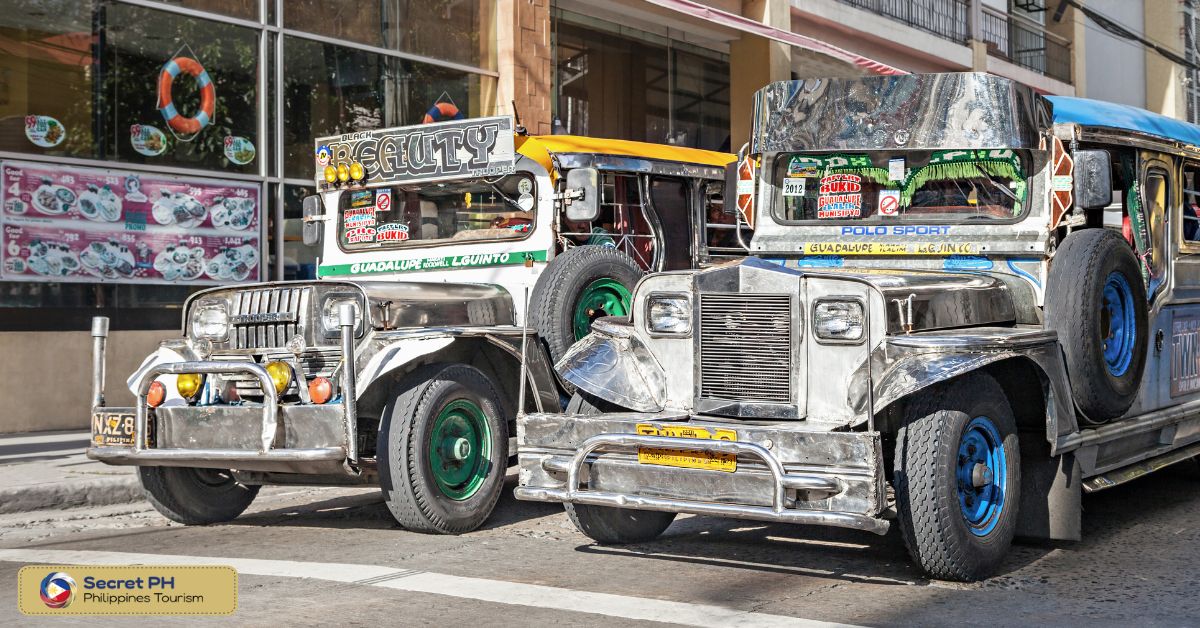
The Jeepney might be the most iconic symbol of the Philippines. Serving as a shared public transportation system, the Jeepney is an unconventional way to get around the archipelago nation. These colorful vehicles are actually heavy-duty decorated adaptations of the classic World War II army jeeps.
Like Manila’s ubiquitous TRVs, they run along specific routes and all passengers need to shout to their destination whenever passengers board or exit. Jeepneys offer an exciting way to observe everyday life, often playing loud music while packed with dozens of people heading to different corners of town.
They will also pass by historic sites which otherwise would have gone unseen. All in all, taking a Jeepney through the bustling cities is an experience you won’t forget – and easily one of the best ways to explore this vibrant country.
- Fare: Ranges from 10 to 30 PHP ($0.20 to $0.60 USD) per ride depending on the distance
- Capacity: 12 to 40 passengers depending on the size
Advantages and Disadvantages of Using Jeepney
Advantages:
- Cheaper than other forms of transportation.
- Gives you a glimpse into everyday life in the Philippines.
- Provides access to remote areas not accessible by other modes of transport.
Disadvantages:
- Can be uncomfortable due to the cramped and crowded conditions.
- The routes can be unreliable and inconsistent.
- The vehicles can be unsafe due to a lack of safety regulations.
2. Tricycle
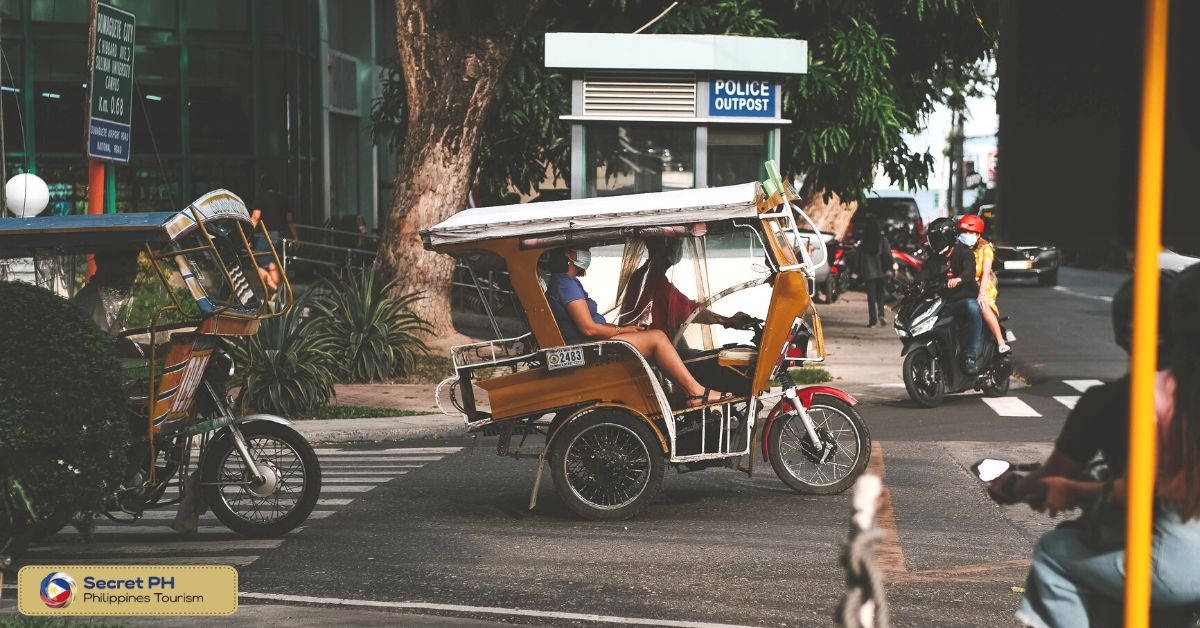
Tricycles are a popular, traditional form of transportation in the Philippines that offer both speed and convenience. The multi-wheeled motorbike and sidecar combination provides an affordable way for locals to get around densely populated areas.
Tricycles can be seen weaving expertly through traffic-filled streets, carrying passengers to their desired destinations. They are frequently rented to tourists who wish to explore the country off the beaten path or take short trips along back roads and alleyways.
This is a great way to experience an authentic taste of the Philippines while avoiding congested public transportation options. Whether taking a quick journey across town or bound for more remote areas, tricycles offer riders a unique travel experience that cannot be found anywhere else in the world.
- Fare: Ranges from 20 to 40 PHP ($0.40 to $0.80 USD) per ride depending on the distance
- Capacity: 1-5 passengers depending on the size
Advantages and Disadvantages of Using Tricycle
Advantages:
- Cheap and convenient for short journeys.
- An economic way to explore remote areas and hidden gems.
- Can easily navigate through traffic-filled streets and alleyways.
Disadvantages:
- The journey can be unsafe due to a lack of safety regulations.
- They are unreliable if traveling long distances.
- The vehicles are often cramped and uncomfortable.
- Rides can be expensive if traveling long distances.
- Tricycles are not suitable for large groups of people.
3. Bus
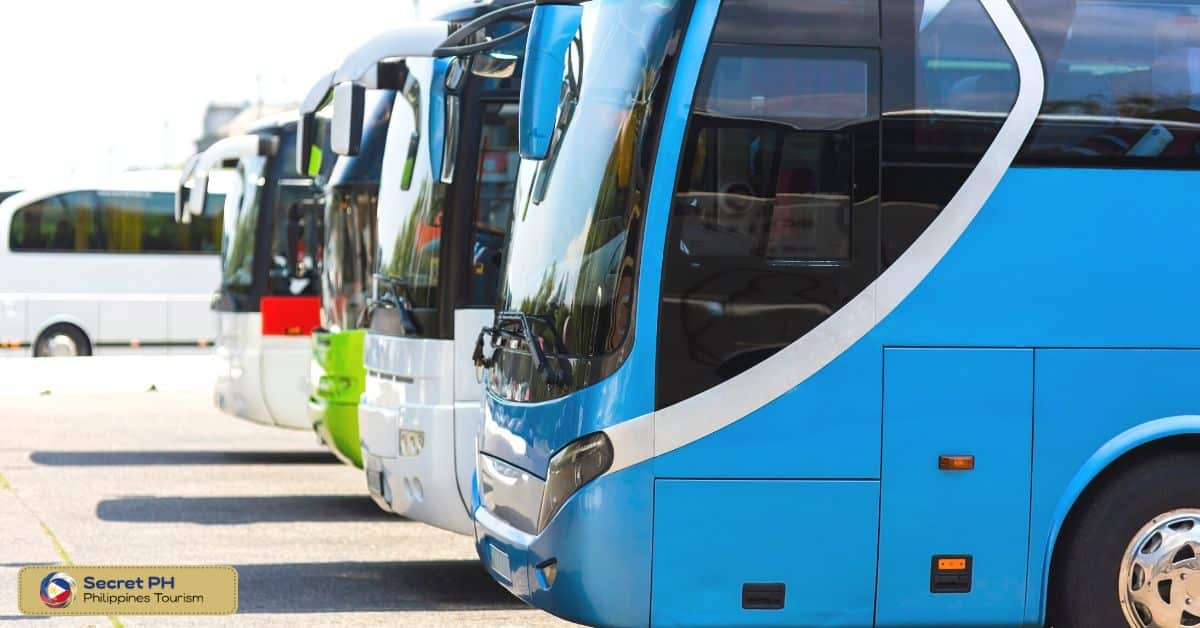
The bus is an ideal way of getting around the Philippines. With a vast network of routes and stops, you can get nearly anywhere in the country with relative ease. Moreover, fares are generally very inexpensive, making them a cost-efficient form of transportation.
You can often travel in comfort with reclining seats, air conditioning, WiFi access, or even food service on board some longer journeys. Public buses are also largely reliable in terms of punctuality and safety due to recent regulations from the government.
All in all, public bus services offer an efficient and affordable way of traveling around the Philippines that is becoming increasingly popular amongst locals and foreigners alike.
- Fare: Ranges from 20 to 200 PHP ($0.40 to $4 USD) depending on the distance
- Capacity: Varies but usually up to 50 passengers
Advantages and Disadvantages of Using Bus
Advantages:
- Inexpensive compared to other forms of transport.
- Reliable and punctual due to recent government regulations.
- Features such as air conditioning, WiFi access, and food service can make the journey more comfortable.
- Can get almost anywhere in the country with ease.
Disadvantages:
- Bus travel can be tedious and tiring on long journeys.
- Buses can often get crowded, especially during peak times.
- It’s not always easy to find the right bus for your destination, as there are numerous services operating in certain areas.
4. Taxi
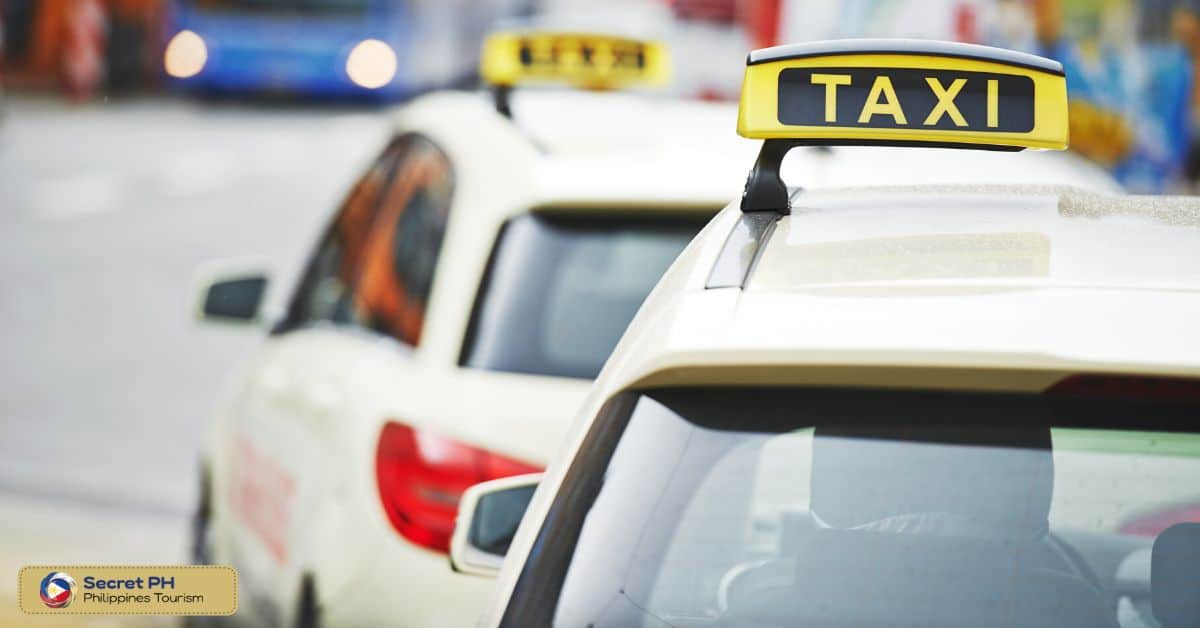
Taxi is a popular way to get around the Philippines. It’s an affordable, convenient, and efficient means of transportation that can get you from one point to another quickly. Taxis usually have an exclusive route for every place so you’ll never have to worry about getting lost. While it does not give as much privacy as car rentals, taxis take travelers to their destinations quickly and safely at reasonable prices.
Some areas may offer ride-sharing services in addition to open taxi fleets which is great for those looking for discounts on their journey. And the best part of all? Most taxis are driven by friendly, knowledgeable locals who are happy to offer some insights into their surroundings along the way!
- Fare: Ranges from 50 to 150 PHP ($1 to $3 USD) depending on the distance
- Capacity: 4 passengers
Advantages and Disadvantages of Using Taxi
Advantages:
- Inexpensive compared to other forms of transport.
- Exclusive route for every place so you won’t get lost.
- Friendly and knowledgeable drivers who are happy to offer insights into their surroundings.
- Ride-sharing services may offer discounts on certain journeys.
Disadvantages:
- Not as much privacy compared to car rentals.
- Taxis can be difficult to find during peak times or in remote areas.
- There may be a language barrier between the driver and passenger, which can make communication difficult.
- Drivers may take longer routes in order to increase their fare amount.
5. Domestic Flights
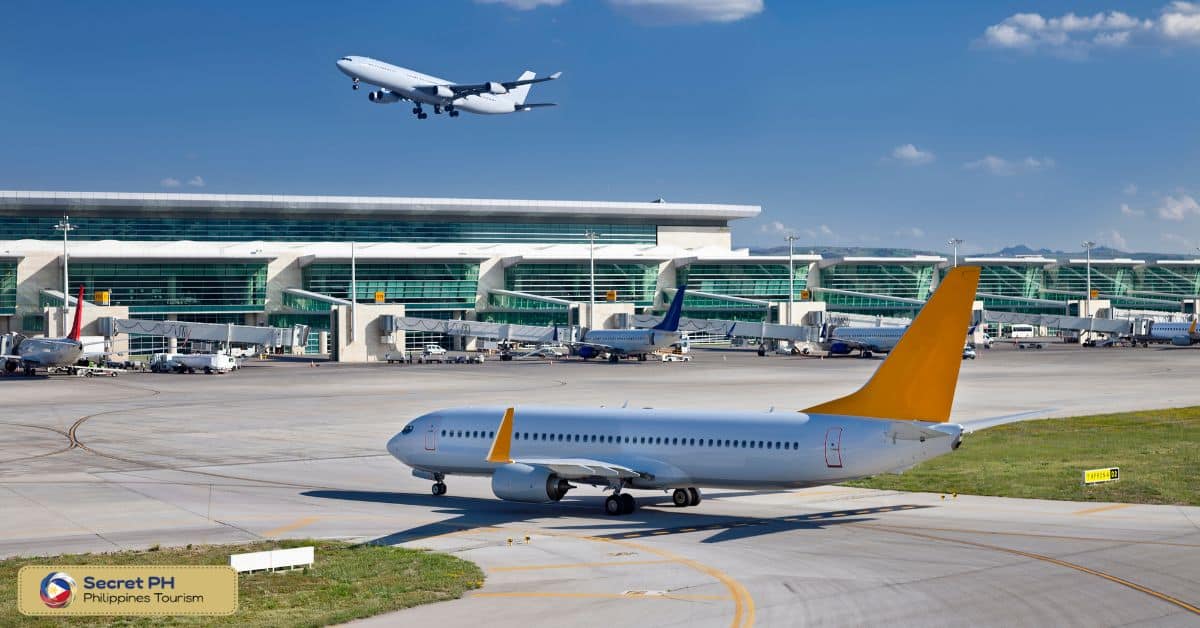
Domestic flights are a great way to get around the Philippines quickly and in comfort. Several airlines offer low-cost, short-haul flights to various destinations around the archipelago such as Manila, Cebu, Davao, and more.
Flying is usually much faster than other forms of transport due to its direct routes and lack of traffic. It also offers a much more comfortable journey for those who prefer to remain seated throughout the entire trip.
Domestic flights are often equipped with amenities such as TVs and WiFi, making it a great choice for those who want to make their travels as convenient and enjoyable as possible.
- Fare: Ranges from 1000 to 5,000 PHP ($20 to $100 USD) depending on the destination
- Capacity: Varies, but usually up to 300 passengers
Advantages and Disadvantages of Using Domestic Flights
Advantages:
- A fast and convenient way to get around the Philippines.
- A more comfortable travel experience with amenities such as TVs and WiFi.
- Lack of traffic makes it faster than other forms of transport.
- Low-cost airlines offer affordable fares for short-haul flights.
Disadvantages:
- Check-in lines can be long and tedious.
- Delays and cancellations may occur due to inclement weather or mechanical issues.
- Security screenings can take some time, making it difficult to catch connecting flights.
- Longer routes might not be available for certain destinations.
6. UV Express
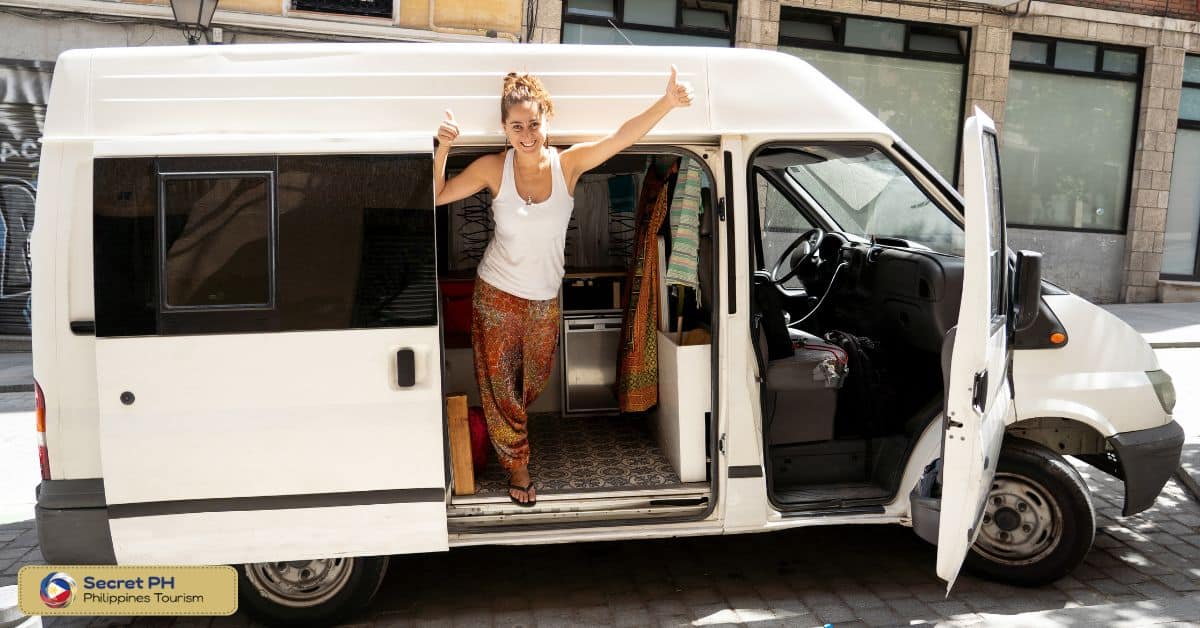
The UV Express is a popular form of door-to-door transport in the Philippines, offering passengers an affordable and convenient way to get around. These vans travel along predetermined routes, picking up and dropping off passengers at designated stops along the way.
UV Express vehicles are air-conditioned and equipped with comfortable seats for longer journeys. They offer a relatively quick and reliable way to get around the country, though their routes and stops may not be as extensive as those of buses or trains.
The cost is also affordable and many vans are equipped with WiFi access as well. All in all, UV Express vehicles are a great way for tourists to explore the Philippines on a budget.
- Fare: Ranges from 50 to 200 PHP ($1 to $4 USD) depending on the destination
- Capacity: Varies, but usually up to 10 passengers
Advantages and Disadvantages of Using UV Express
Advantages:
- An affordable form of transportation for door-to-door travel.
- Relatively quick and reliable compared to other modes of transport.
- Air-conditioned with comfortable seats for longer journeys.
- Many vans are equipped with WiFi access.
Disadvantages:
- Routes and stops may not be as extensive as those of buses or trains.
- Some vans may not be in the best condition and can cause discomfort during long journeys.
- The drivers may take longer routes to increase their fares.
7. Train
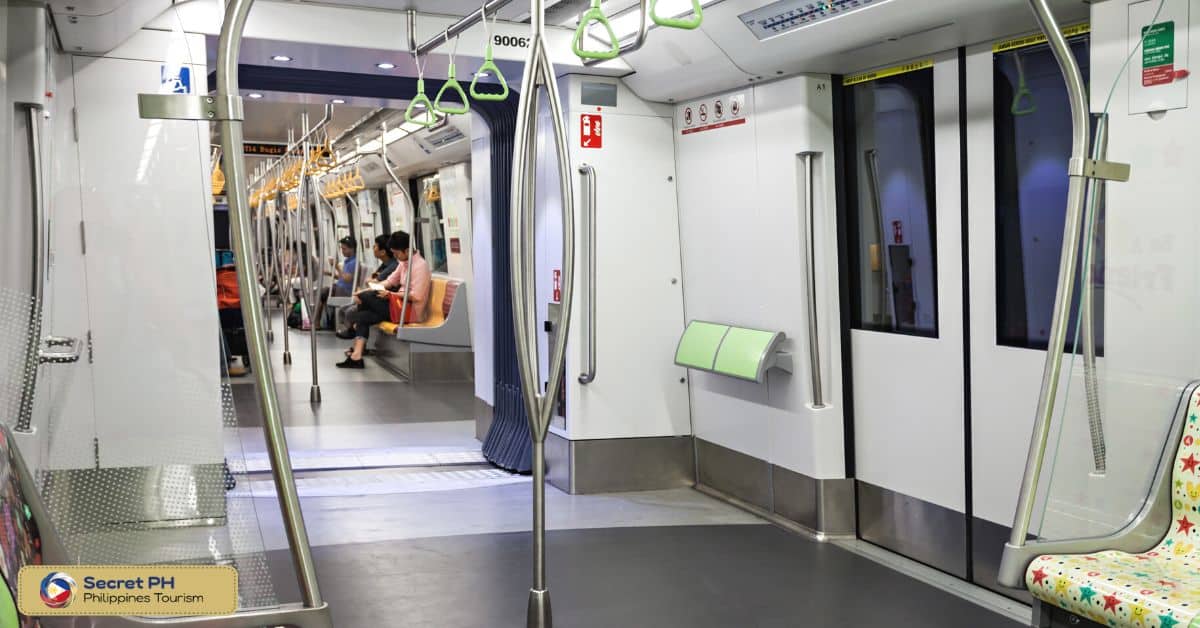
The train is one of the most efficient and cost-effective ways to get around the Philippines. The country has several national railway networks which connect major cities, providing a comfortable and relatively affordable way to travel.
Trains offer a scenic way to explore the archipelago, allowing passengers to take in stunning views of mountain peaks, pristine beaches, and picturesque islands. You can also get a taste of authentic Philippine life while riding the rails, as most train rides offer an intimate experience as you travel through remote villages and towns.
Moreover, trains are usually equipped with air conditioning and comfortable seats, making them one of the best ways to explore the Philippines in comfort and style.
- Fare: Ranges from 40 to 500 PHP ($0.80 to $10 USD) depending on the destination
- Capacity: Varies, but usually up to 1,000 passengers
Advantages and Disadvantages of Using Train
Advantages:
- One of the most efficient and cost-effective ways to get around.
- Connects major cities with national railway networks.
- Offers a comfortable and relatively affordable way to travel.
- Provides stunning views of mountain peaks, pristine beaches, and picturesque islands.
- Equipped with air conditioning and comfortable seats for a more enjoyable ride.
Disadvantages:
- Train services may be limited in certain areas, making them difficult to access.
- Delays and cancellations due to inclement weather or technical issues can occur.
- The journey can be tedious if traveling long distances.
- The seating can be cramped on some routes.
8. Grab or Angkas
Grab or Angkas is a ride-sharing service that has become increasingly popular in the Philippines. It’s more convenient than other forms of public transportation due to its door-to-door pickup and drop-off services.
The app allows passengers to track their journey in real-time and pay for the ride electronically, making it much easier for travelers to get around the country. Grab or Angkas offers an affordable way to get from one place to another and can be a great alternative to taking a taxi for those looking for a more convenient option.
- Fare: Ranges from 50 to 250 PHP ($1 to $5 USD) depending on the distance
- Capacity: Varies, but usually up to 4 passengers
Advantages and Disadvantages of Using Grab or Angkas
Advantages:
- More convenient than other forms of public transportation.
- Door-to-door pickup and drop-off services.
- Passengers can track their journey in real time.
- Payment is made electronically, making it easier to pay for the ride.
- A more affordable alternative to taking a taxi.
Disadvantages:
- The availability of drivers may be limited in certain areas.
- Long wait times can occur due to the influx of passengers in peak hours.
- The drivers may take longer routes in order to increase their fare amount.
- The journey may be unreliable due to traffic or road closures.
- There may be a language barrier between the driver and passenger, which can make communication difficult.

9. Bicycle
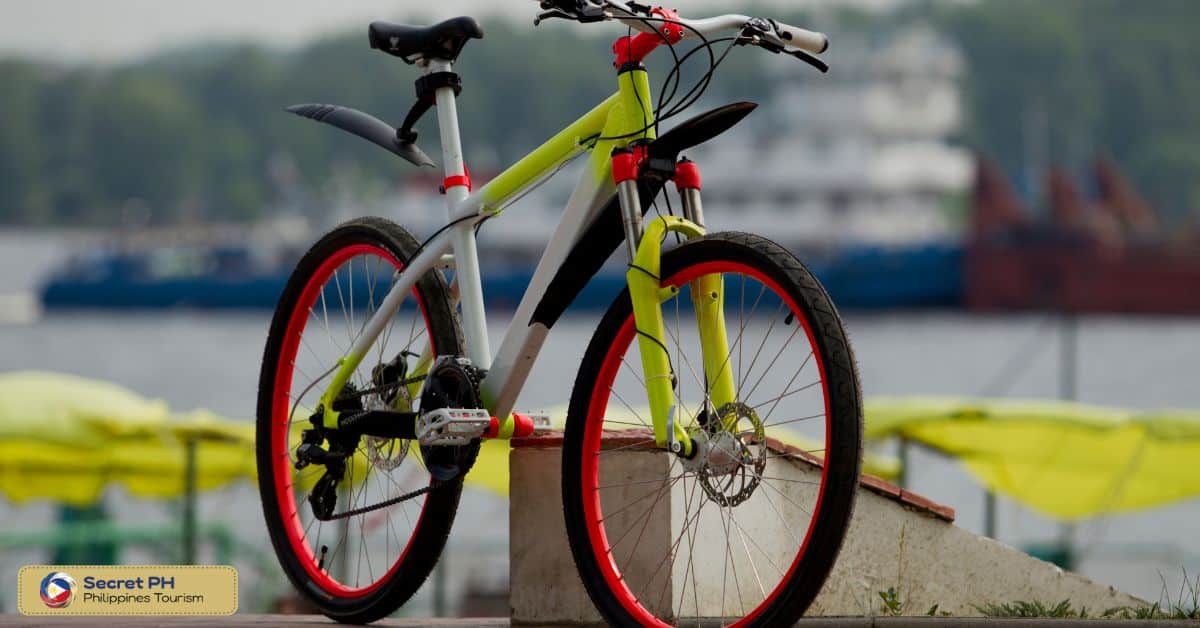
Bicycles are a great eco-friendly way to explore the Philippines and get around its cities. Biking is also an affordable form of transport, as opposed to other more expensive forms such as buses or taxis. Not to mention it’s also fun and can be a great workout!
Many of the country’s major cities have dedicated bike paths to make it easier for cyclists to get around safely. Additionally, there are plenty of cycling tours available for those who want to explore the countryside at their own pace and enjoy some of the country’s most stunning scenery.
Price for rent: Ranges from 100 to 200 PHP ($2 to $4 USD) per hour or 500 to 1000 PHP ($10 to $20 USD) per day
Advantages and Disadvantages of Using Bicycle
Advantages:
- An eco-friendly way to get around the cities.
- Affordable compared to other forms of transport.
- Fun and a great workout.
- Dedicated bike paths make it easier for cyclists to get around safely.
- Plenty of cycling tours are available for those who want to explore the countryside.
Disadvantages:
- Bicycle travel can be difficult in certain areas due to the lack of infrastructure.
- The weather may not always be suitable for cycling, especially during the rainy season.
- It’s not always easy to find a place to store your bike when traveling long distances.
- Cyclists are vulnerable to crime and accidents due to a lack of protection.
- It can be difficult to carry large items with you while cycling.
10. Ferry/ Boat
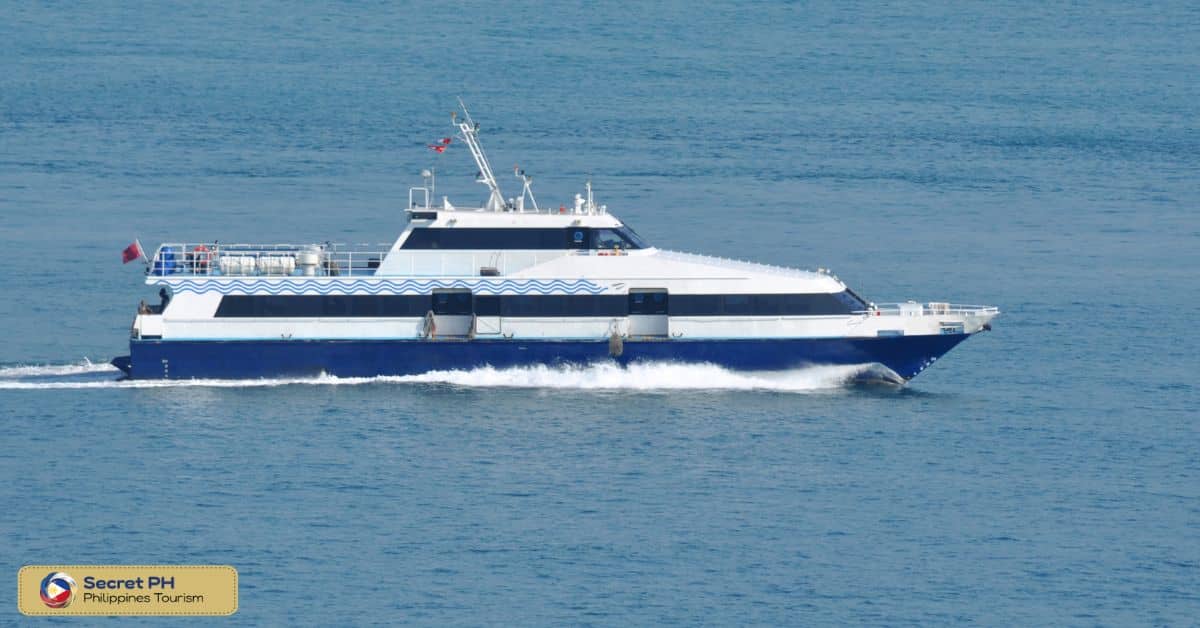
Ferries and boats are the main forms of transportation in the Philippines, especially in more remote areas where other methods of transport may not be available. These services can be used to travel both short and long distances, allowing passengers to get around islands and explore coastal towns with ease.
Ferries are also an economical way to travel, as fares are generally much lower than those of other forms of transport. The journey itself offers some stunning views, as passengers get to take in the beauty of the Philippine archipelago from a different perspective.
- Fare: Ranges from 50 to 2000 PHP ($1 to $40 USD) depending on the destination
- Capacity: Varies, but usually up to 500 passengers
Advantages and Disadvantages of Using Ferry/ Boat
Advantages:
- The main form of transportation for more remote areas.
- Can be used to travel both short and long distances.
- Economical fares compared to other forms of transport.
- Offers stunning views of the Philippine archipelago from a different perspective.
Disadvantages:
- Ferries may be subject to delays due to inclement weather or technical issues.
- The journey can be tedious, especially on long routes.
- The journey may not be as comfortable due to the lack of amenities.
- The seats may be cramped and uncomfortable for longer trips.
- Safety regulations may not always be strictly followed onboard ferries.
11. Habal-Habal
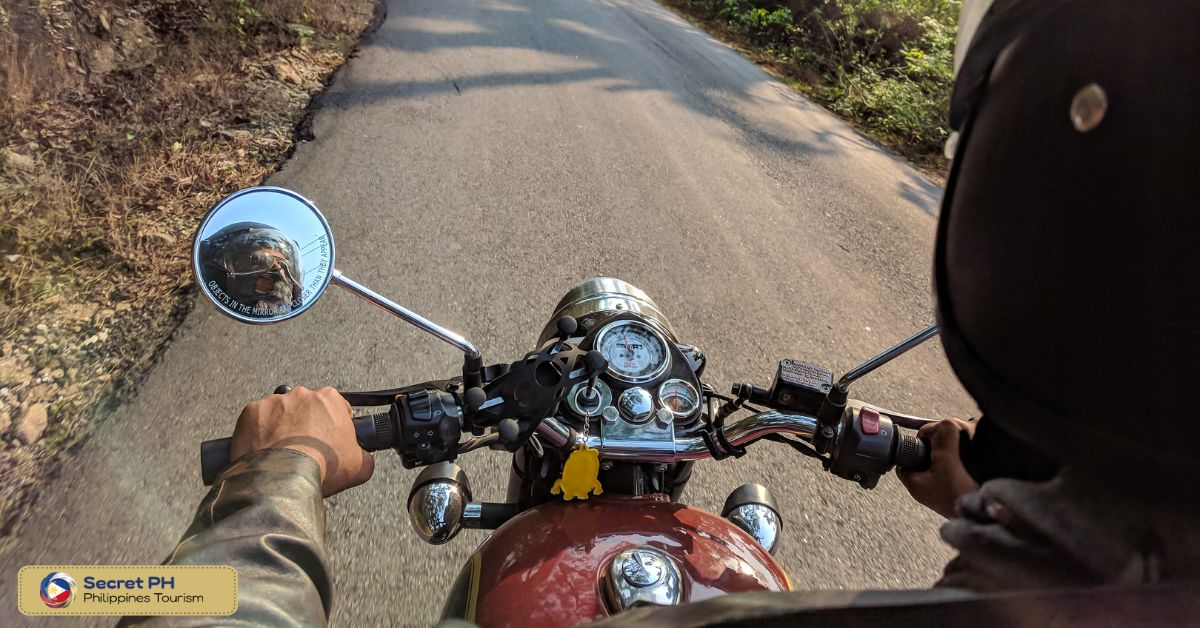
Habal-habal is a motorcycle taxi service that has been used for decades in the Philippines. It’s a convenient and affordable way of getting around cities, towns, and villages quickly. Motorcycles are able to weave through traffic with ease, making it much faster than other forms of transport such as buses or cars.
Habal-habal drivers are usually friendly and knowledgeable, offering insight into local culture and customs along the way. The cost of transportation is also relatively inexpensive compared to other forms of transport, making it a great option for those on a budget.
- Fare: Ranges from 50 to 200 PHP ($1 to $4 USD) depending on the destination
- Capacity: Varies, but usually up to 2 passengers
Advantages and Disadvantages of Using Habal-Habal
Advantages:
- Convenient and affordable way of getting around cities, towns, and villages quickly.
- Weaves through traffic with ease, making it much faster than other forms of transport.
- Friendly and knowledgeable drivers who offer insights into local culture and customs.
- Cost is relatively inexpensive compared to other forms of transport.
Disadvantages:
- Safety regulations may not always be strictly followed by drivers.
- The journey can be uncomfortable and dangerous due to the lack of protection from the elements.
- The drivers may take longer routes in order to increase their fares.
- Riding a habal-habal can be intimidating for some, especially for those who are not comfortable on motorcycles.
- The availability of drivers may be limited in certain areas.
12. Rent a Car
Renting a car is another popular option for getting around the Philippines. This allows travelers to explore the country at their own pace and in complete comfort, without having to worry about any public transportation schedules or changes.
Car rental companies offer a wide selection of vehicles from economy cars to luxury sedans, making it easy to find one that best suits your needs and budget. Moreover, many car rental companies offer discounts on long-term rentals or various packages which can help save money on transportation in the long run.
- Price: Ranges from 500 to 4000 PHP ($10 to $80 USD) per day depending on the type of car
- Capacity: Varies, but usually up to 5 passengers
Advantages and Disadvantages of Renting a Car
Advantages:
- Allows travelers to explore the country at their own pace and in complete comfort.
- A wide selection of vehicles from economy cars to luxury sedans.
- Discounts on long-term rentals and various packages are available.
- No need to worry about public transportation schedules or changes.
Disadvantages:
- Rental rates tend to be more expensive than other forms of transport, especially for short trips.
- Short-term rentals may require a deposit or other fees.
- Insurance is usually required, which can add to the overall cost of the rental.
- The availability of cars may be limited in certain areas.
- Navigating unfamiliar roads and finding parking spots can be problematic for some drivers.
- Drivers must be aware of local driving laws and regulations.
- Damage to the vehicle may result in additional fees.

In Conclusion
There are many different forms of transport to choose from in the Philippines, each with its own set of advantages and disadvantages. From buses and trains to renting a car or motorcycle taxis, travelers have plenty of options when it comes to getting around the country.
When deciding on the best form of transport for your needs and budget, consider the advantages and disadvantages of each option to ensure you pick the one that best suits your needs. With a bit of research and careful planning, you can easily find the perfect way to explore the Philippines without breaking the bank. Happy travels!